Machinery
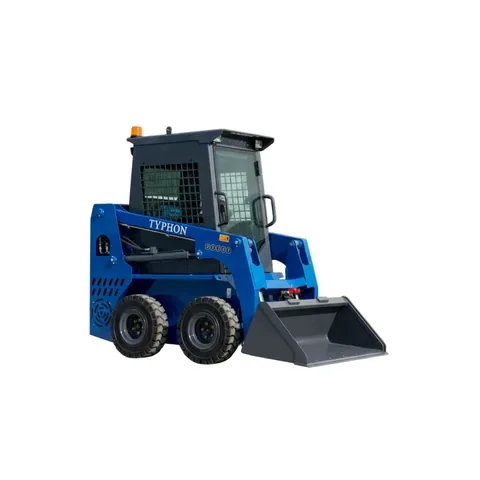
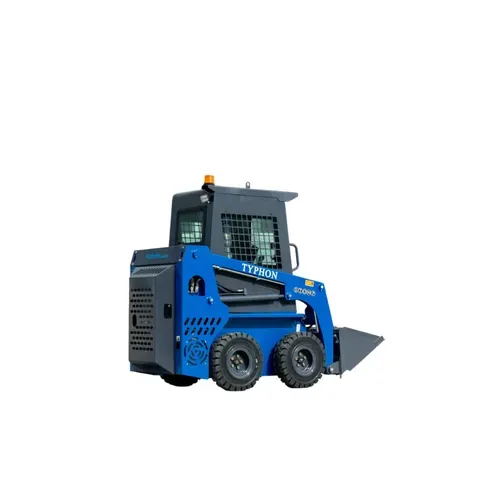
Brand New TYPHON STOMP 508 Mini Skid Steer Gas EPA Engine
Regular price $8,449.35Regular priceTYPHON
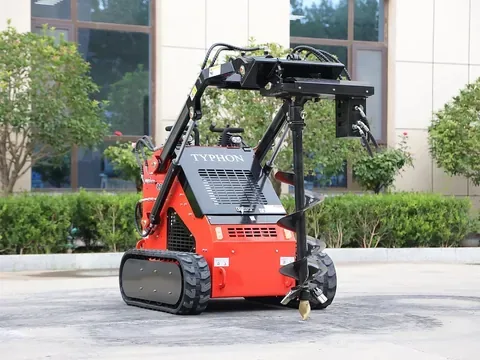
Skid Steer Loader Earth Auger Attachment
Regular price $2,015.00Regular priceMachinery
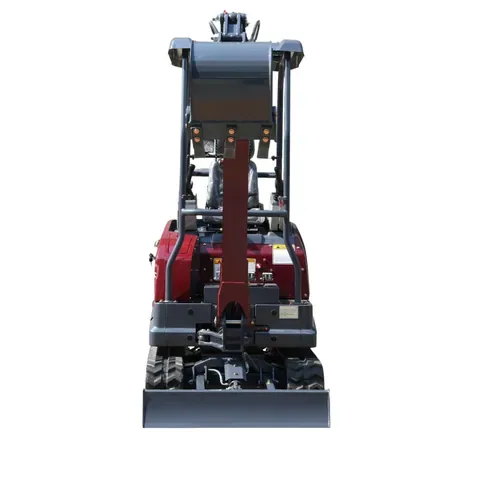
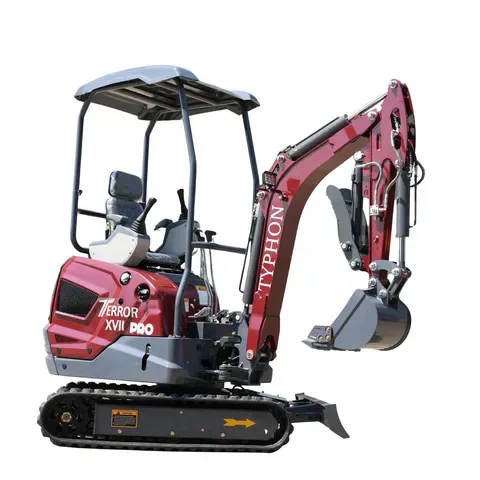
TYPHON Terror XVII Pro Mini Excavator – Kubota D902 Engine, Dual Auxiliary Hydraulics, Hydraulic Thumb
Regular price $7,409.38Regular priceMachinery
TYPHON STOMP 509 Mini Skid Steer 1.4ton with Kubota D1105 25hp water cooled 4-Cycle Diesel engine
Regular price $9,099.22Regular priceMachinery
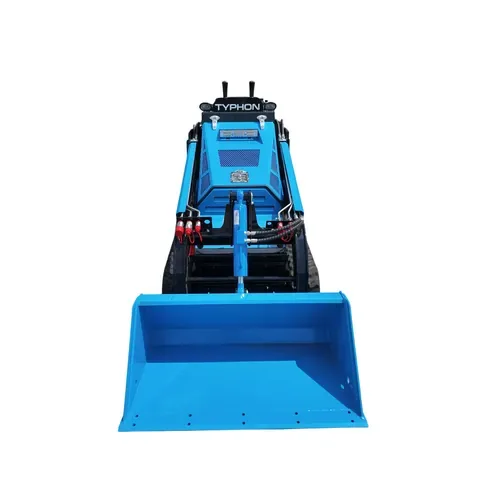
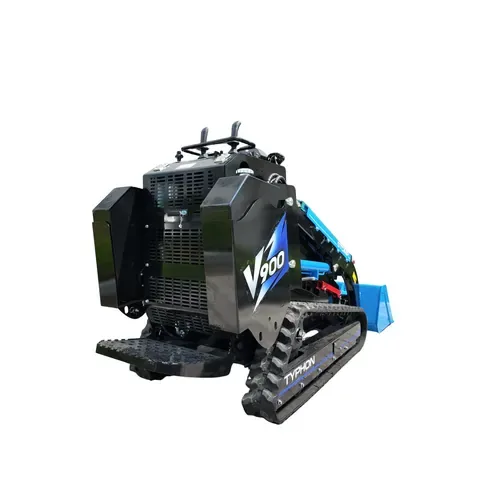
Typhon Stomp V900 25HP Kubota Diesel Mini Track Loader Stand-On Skid Steer EPA/EU Stage V
Regular price $7,799.35Regular priceMachinery
TYPHON TERROR XIX Prestige, 20.4 HP Kubota D902 4200lbs Mini Excavator with Boom Swing, Retractable Tracks, and AC/Heater Cabin
Regular price $11,049.35Regular priceMachinery
TYPHON TERROR XVII PRO Cabin Mini Excavator Kubota D902 Diesel Retractable Tracks Boom Swing AC & Heater
Regular price $8,774.35Regular priceMachinery
TYPHON TERROR XXV Prestige Mini Excavator 2.7Ton, Kubota D1105 25.1 HP, Comfortable Cabin with AC & Heater, Retractable Track, Boom Swing
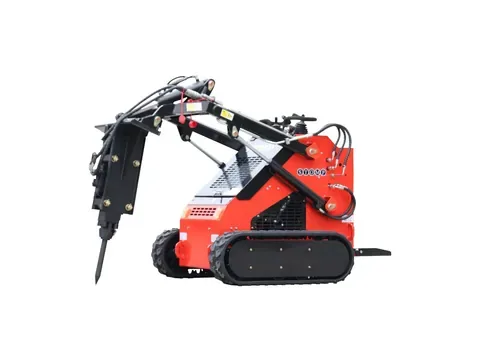
Regular price $14,299.35Regular priceTYPHON
Skid Steer Loader Hydraulic Hammer Attachment
Regular price $2,340.00Regular priceMachinery
TYPHON TERROR X STORM Mini Excavator – 1 Ton with Canopy
Regular price $3,899.35Regular priceMachinery
TYPHON TERROR XIII Mini Excavator – 1.3 TON 13.5HP B&S
Regular price $5,199.35Regular priceMachinery
TYPHON KUVOU 4.0 mini excavator Kubota D1703 Diesel engine with 4Ton Operating Weight AC/ Heater
Regular price $22,099.35Regular priceMachinery
TYPHON 18 FLEX PRO 1.8 Ton Mini Excavator 12 attachments
Regular price $9,749.35Regular priceMachinery
TYPHON TERROR XVII PRO 3800 lb mini excavator Hydraulic System Integrated Oil Cooler EPA-Certified Kubota D902 Engine
Regular price $7,409.38Regular priceMachinery
TYPHON TERROR X2 Mini Excavator 2.7 Ton Kubota V1505 Engine
Regular price $14,299.35Regular priceMachinery
Brand New TYPHON TERROR VIII 800kg Mini Excavator
Regular price $5,458.70Regular priceMachinery
TYPHON TERROR XV STORM Mini Excavator – 1.05 Ton
Regular price $4,445.22Regular priceMachinery
TYPHON TERROR XXV 2.5 Ton Mini Excavator KUBOTA Diesel Engine USA
Regular price $13,649.35Regular priceMachinery
TYPHON TERROR XX Green 2025 4000 lb Mini Excavator Kubota D902 Engine
Regular price $7,930.00Regular priceMachinery
TYPHON TERROR XVII PRO Prestige Edition 4000 lb Mini Excavator Kubota D902 Diesel Engine Boom Swing Retractable Tracks AC & Heater Hydraulic Thumb
Regular price $8,774.35Regular priceMachinery
TYPHON TERROR X STORM Mini Excavator – 1 Ton Trench Digger with Canopy, 380mm Wide Bucket
Regular price $3,899.35Regular priceMachinery
TYPHON STOMP 22.1 HP Tracked Skid-Steer Loader Honda Engine
Regular price $5,459.35Regular priceMachinery
TYPHON TERROR XVII Pro Mini Excavator 14 kN Digging Force Dual Auxiliary Circuits EPA-Certified Kubota D902 Engine
Regular price $7,409.38Regular priceMachinery
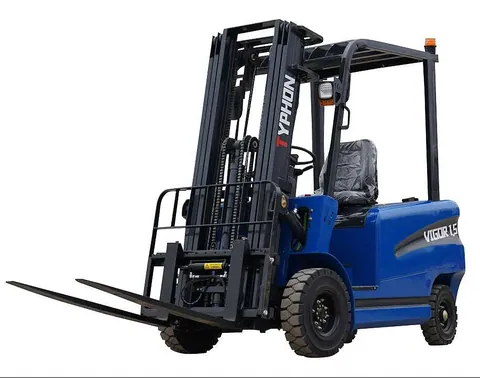
New 2025 TYPHON VIGOR 1.5 Blue 1.5 TON Electric Forklift
Regular price $6,499.35Regular priceMachinery
4,000 lb TYPHON TERROR XX Yellow Mini Excavator Kubota D902 Engine
Regular price $7,727.20Regular priceMachinery
NEW 4,000lb TYPHON TERROR XVIII Mini Excavator Kubota Engine
Regular price $7,864.35Regular priceMachinery
New 4,000 lb TYPHON Lux Mini Excavator Rubber Track with Kubota Diesel Engine
Regular price $7,149.35Regular priceMachinery
TYPHON TERROR ONE STORM Mini Excavator – 1 Ton Trench Digger with Canopy, Hydraulic Thumb Clip, Hydraulic Oil Cooler, 13.5hp B&S Engine USA
Regular price $4,912.70Regular priceMachinery
Brand New TYPHON STOMP 2,000lbs Mini Skid Steer 23HP Gas EPA Engine USA
Regular price $5,199.35Regular priceMachinery
Brand New TYPHON STOMP 1,800lbs Mini Skid Steer 23HP Gas EPA B & S Engine
Regular price $5,199.35Regular price












How to choose compact machinery
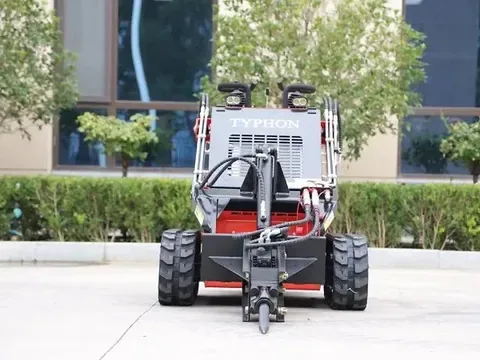
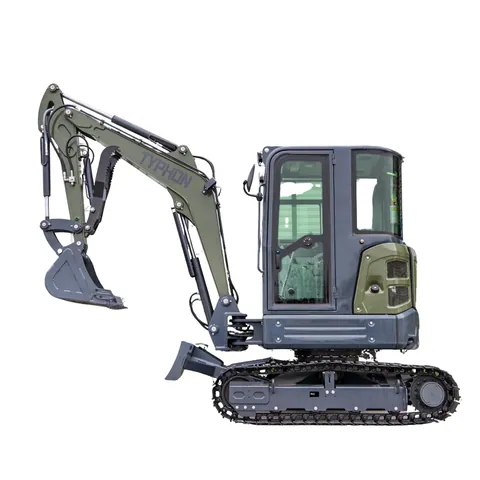
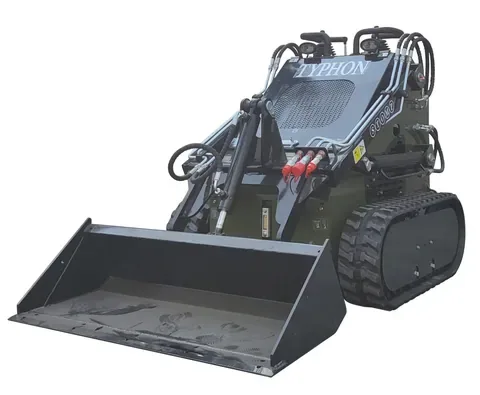
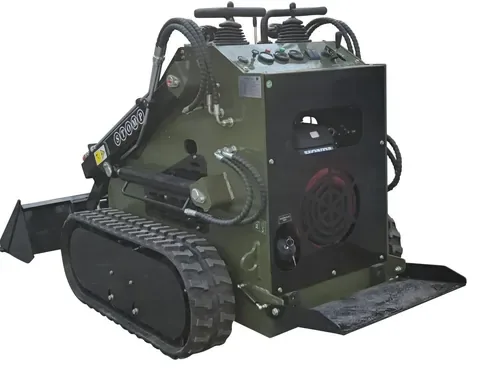
Mini excavators and mini skid steers put real digging and lifting power on properties where a full-size machine will not fit. Choose by the job, the access width and the attachments you need.
Excavator or skid steer
A mini excavator digs: trenches, footings, ponds and stump removal. A mini skid steer or track loader moves material: grading, loading, auger work and hauling with a bucket or forks.
Access width
Measure your narrowest gate or path. Many mini machines are around 3–4 ft wide, which is why they are chosen for backyards and tight job sites.
Engine
Diesel engines from Kubota and similar makers are the standard for torque and long service life. Check EPA compliance for use in the United States.
Attachments
Augers, breakers, grapples and thumbs multiply what one machine can do. Confirm the hydraulic flow and quick-attach type match before you order an attachment.
Questions & answers
Do I need a license to operate a mini excavator?
On private property, generally not, but local rules vary and commercial work may require training. Always call 811 before you dig so buried utilities are marked.
What does a hydraulic thumb do?
A thumb lets the bucket grab and hold logs, rocks and debris, turning the excavator into a material-handling machine.
How are these machines delivered?
They ship by freight on a flatbed or trailer. Plan for a level, firm unloading area and confirm the truck can reach your address.
Not sure which model fits? Ask our team and a real person will answer within one business day.