Hein-Werner
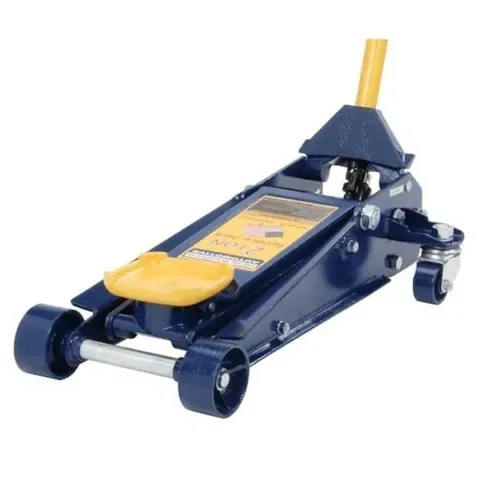
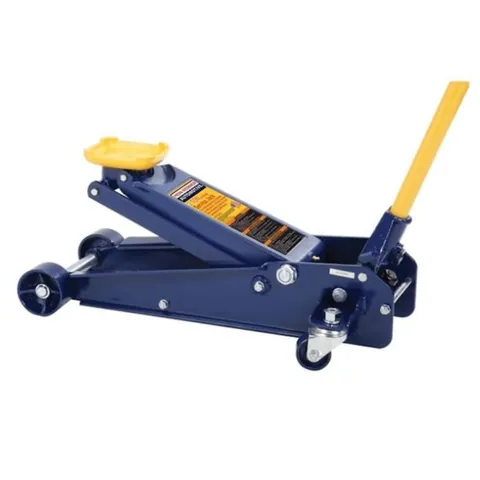
Hein-Werner 2-Ton Heavy-Duty Service Jack
Regular price $599.98Regular priceCar Lift
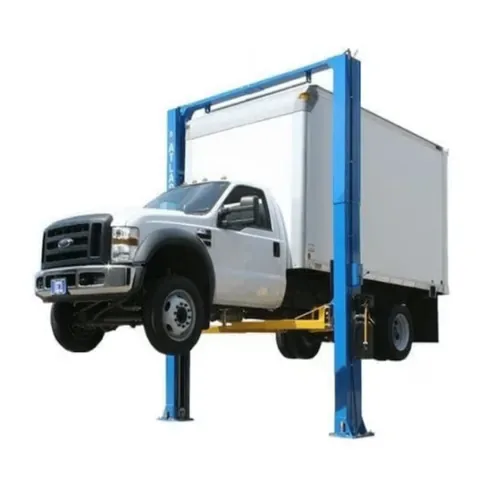
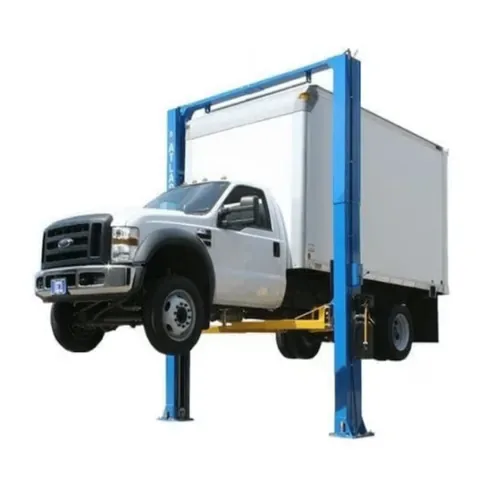
Atlas Automotive Equipment PV12PX Commercial Grade Overhead 2-Post Lift 12,000 lb. Capacity
Regular price $1,189.89Regular priceCar Lift
9000 LB Baseplate 2-Post Lift – Atlas 9KBPX
Regular price $1,189.85Regular priceCar Lift
9000 LB Overhead 2-Post Lift – Atlas 9KOHX
Regular price $1,189.98Regular priceCar Lift
Platinum 10000 LB Certified 2-Post Lift – Atlas PVL-10
Regular price $1,198.85Regular priceCar Lift
BendPak P-9000LTF Flush-Mount Low-Rise Pit-Style Lift – 9,000 lb. Capacity
Regular price $1,289.85Regular priceCar Lift
Atlas 9000 LB High Rise Scissor Lift
Regular price $1,189.98Regular priceXK USA
2.0 HP Tire Changer And Wheel Balancer Machine Combo 580 & 690
Regular price $1,289.95Regular priceVEVOR
7000 lbs Car Lift Adjustable Car Lifts with Remote Control for Home
Regular price $1,289.95Regular priceBendPak
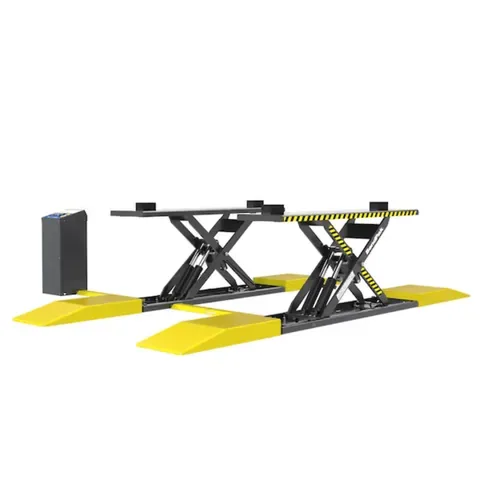
6,000-lb. Capacity / Low-Rise Scissor Lift
Regular price $1,289.95Regular priceCar Lift
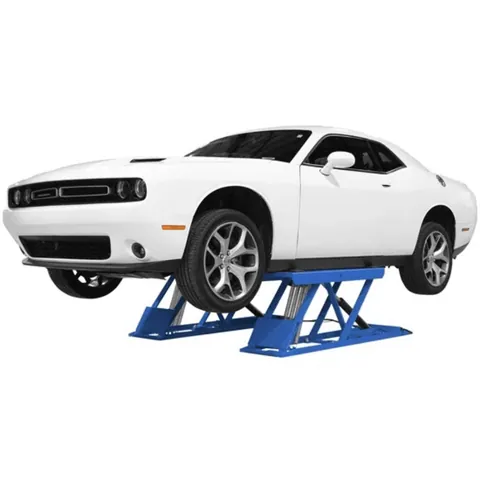
BendPak MD-6XP Mid-Rise Scissor Lift – 6,000 lb. Capacity
Regular price $1,289.85Regular priceBendPak
MDS-6EXT Extended Platform Mid-Rise Scissor Lift – 6,000 lb. Capacity
Regular price $980.85Regular priceCar Lift
Nationwide NW-2-9KFP Two Post Floor Plate Car Lift – 9,000 lbs Capacity
Regular price $1,198.85Regular priceCar Lift
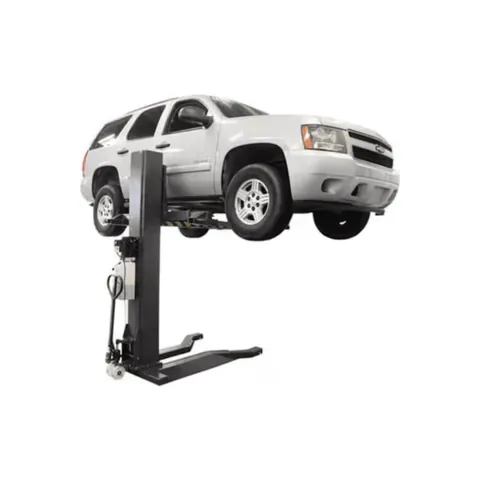
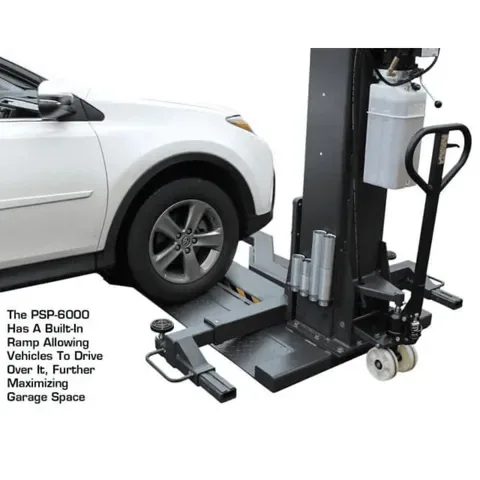
Atlas Single-Post Lift 6000 Lb – Capacity Portable – ATEXH-PSP-6000-FPD
Regular price $1,189.98Regular priceCar Lift
AMGO Hydraulics EM06 Portable Mid Rise Scissor Lift 6,000 lbs.
Regular price $1,189.98Regular priceCar Lift
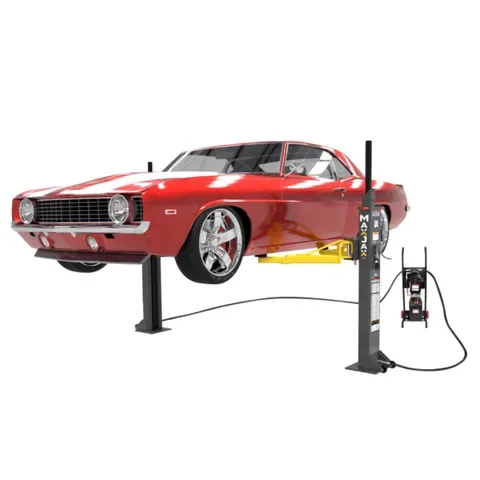
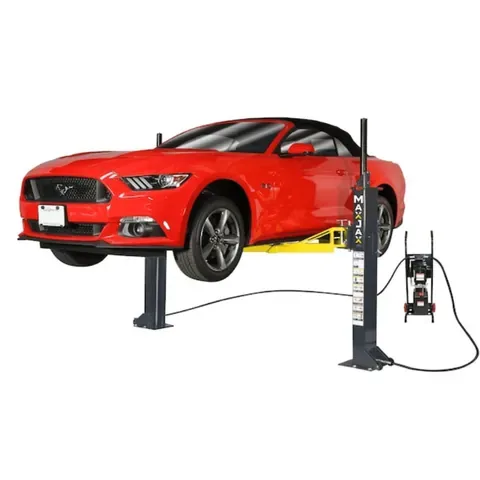
MaxJax M7K Portable Car Lift – 7,000 LB Capacity
Regular price $1,198.85Regular priceBendPak
6,000-lb. Capacity / Low-Rise Lift / Portable
Regular price $1,289.95Regular priceCar Lift
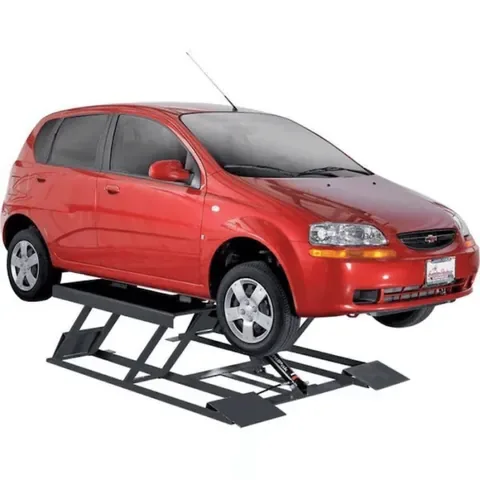
BendPak LR-60 Low-Rise Lift – 6,000 lb. Capacity
Regular price $1,289.85Regular priceCar Lift
9000 LB Extra Wide Tall Long Lift – Atlas PRO9000
Regular price $1,189.89Regular priceQuickJack
QuickJack BL-3500SLX – 3,500 lbs Portable Lift
Regular price $1,198.85Regular priceCar Lift
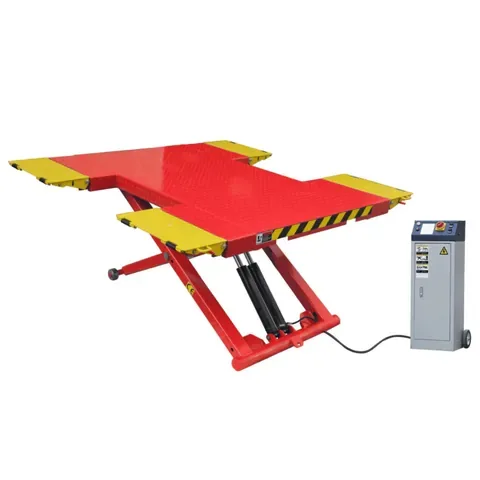
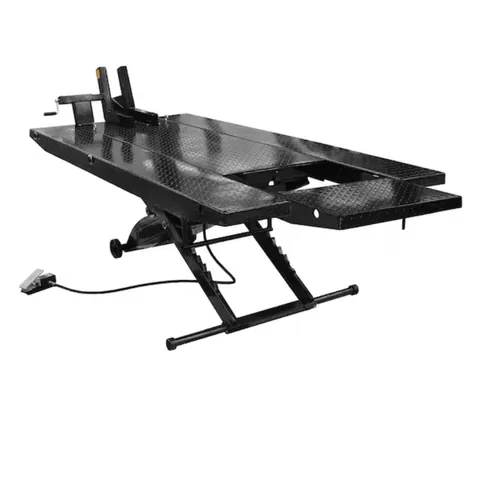
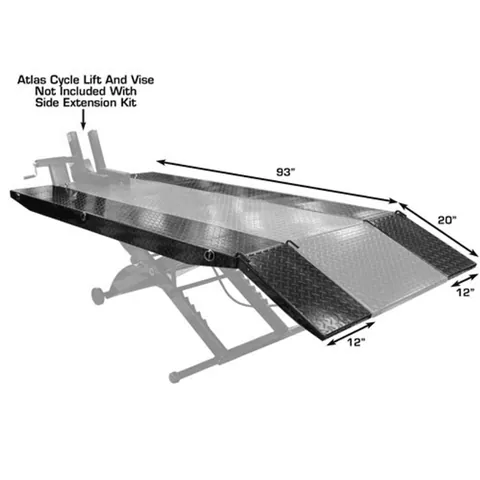
Atlas Motorcycle Lift W Side Extension Kit
Regular price $1,189.98Regular priceVEVOR
5000 lbs Car Lift Adjustable Car Lifts with Remote Control for Home
Regular price $1,289.95Regular priceCar Lift
AMGO Hydraulics LR06 Low-Rise Portable Lift 6,000 lbs.
Regular price $1,189.98Regular priceBendPak
6,000-lb. Capacity / Mid-Rise Scissor Lift / Open-Center
Regular price $1,289.95Regular priceMaxJax
110V Portable Two-Post Garage Lift
Regular price $1,189.89Regular priceCar Lift
iDeal Lift 7000TLX Low-Rise, Portable and Storable Tilt Lift
Regular price $1,198.85Regular priceS&S Diesel Motorsport
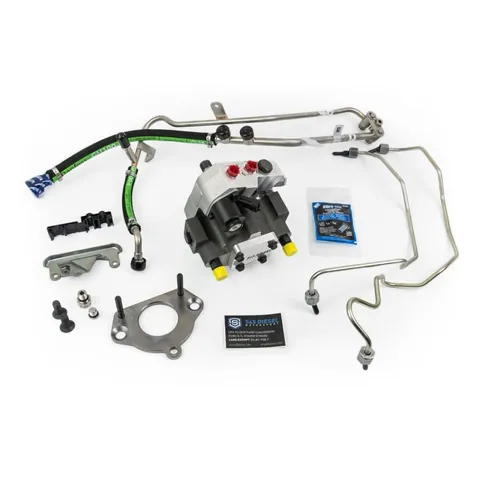
Ford 6.7L CP4 to DCR Pump Conversion
Regular price $1,289.95Regular price
















How to choose a car lift
The right lift depends less on the brand than on your building. Before you compare models, measure your ceiling, check your concrete and confirm your power supply: those three numbers rule out half the options straight away.
Ceiling height
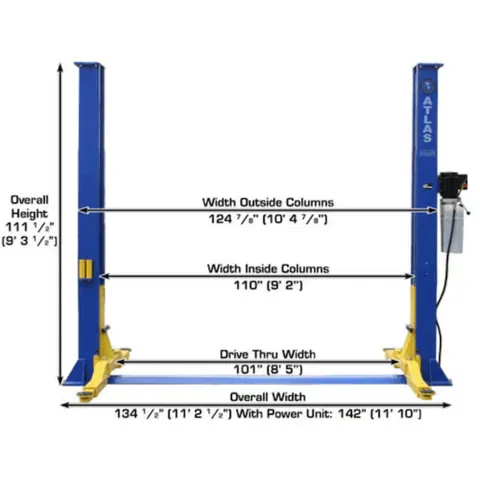
Clear-floor two-post lifts usually need around 12 ft of clear height; base-plate models can work with about 10 ft. Measure to the lowest obstruction (lights, door tracks, ducting), not to the roof.
Capacity
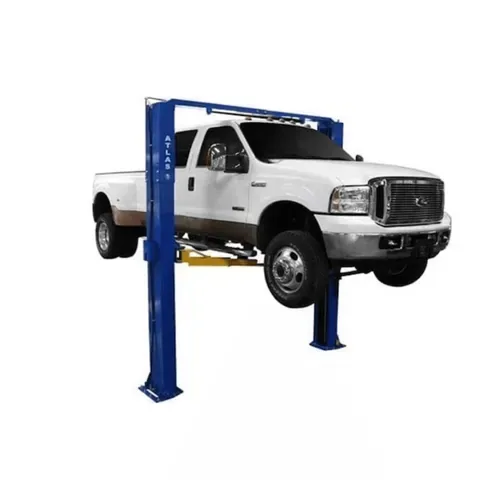
Size for the heaviest vehicle you will ever lift. 9,000 lb covers most cars and SUVs, 10,000–12,000 lb suits full-size pickups and vans, and 14,000 lb and up is for fleet and dual-rear-wheel trucks.
Concrete
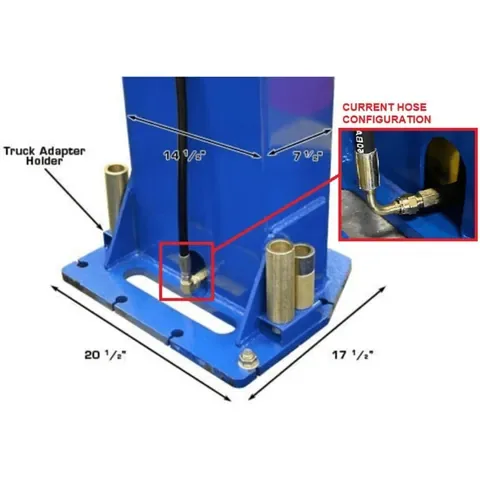
Two-post lifts typically require at least 4 in of cured 3,000 psi concrete with no crack or joint under the base plates. Check the manufacturer's manual for your model.
Type of lift
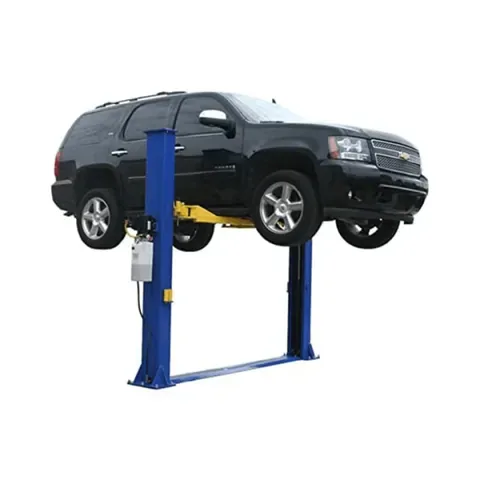
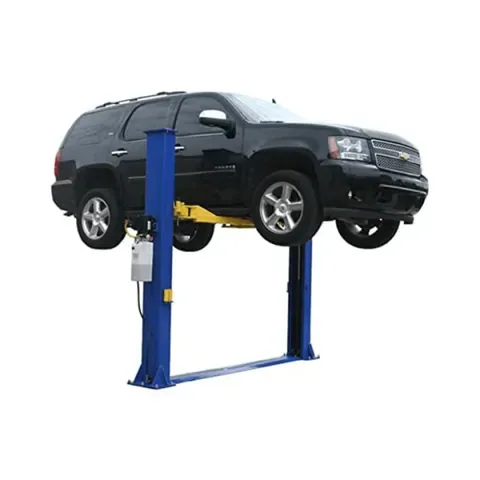
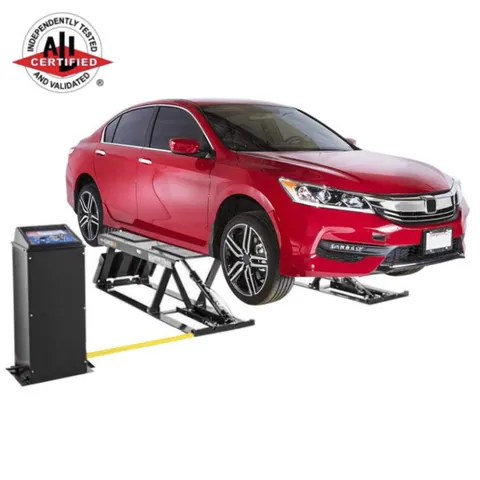
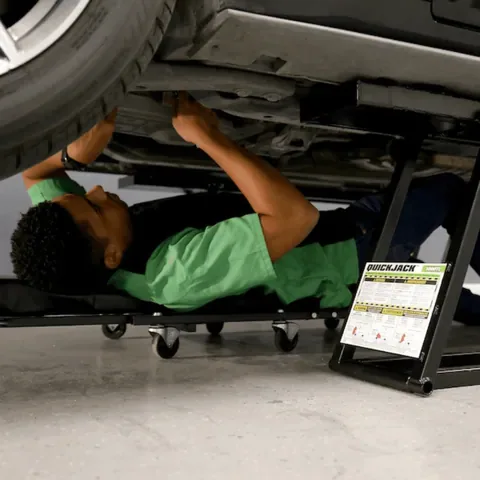
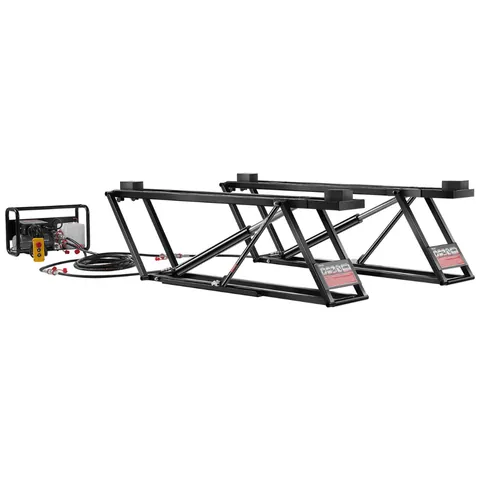
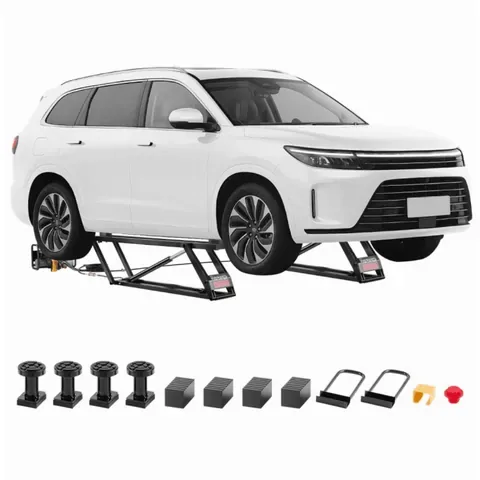
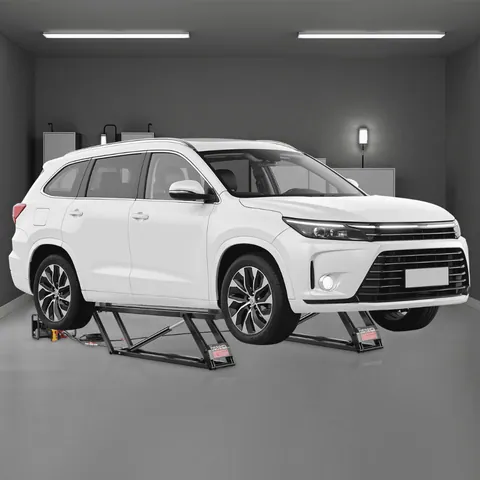
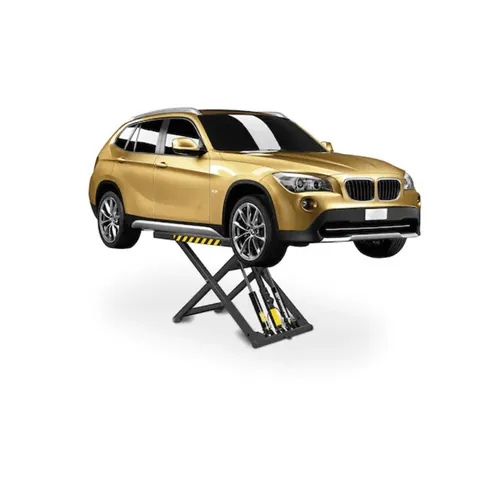
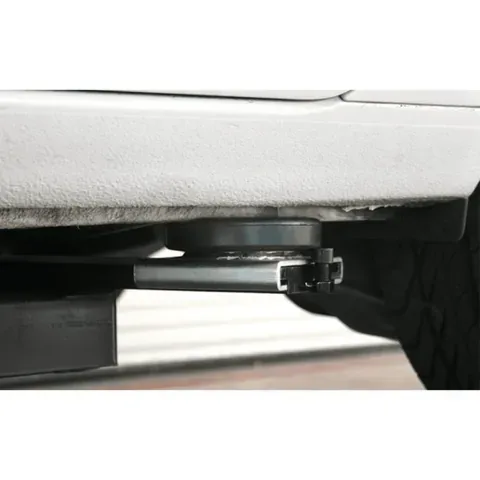
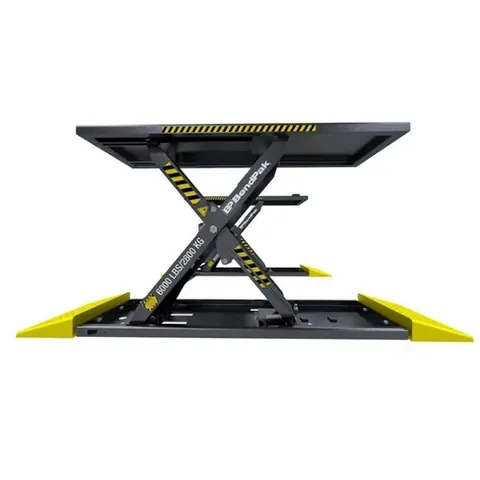
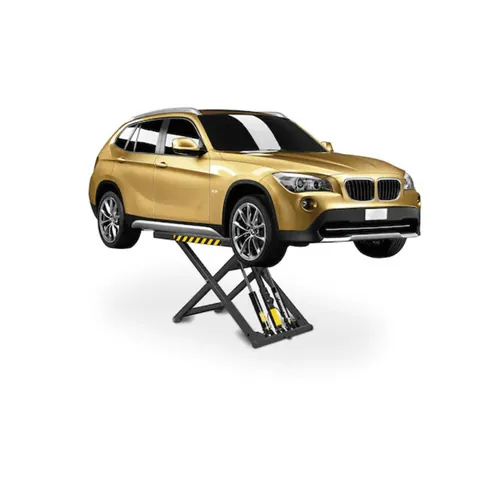
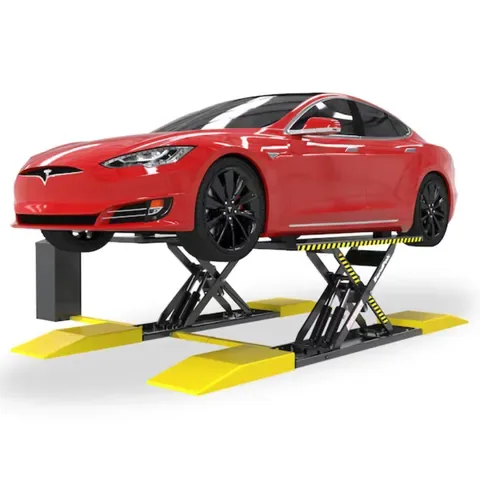
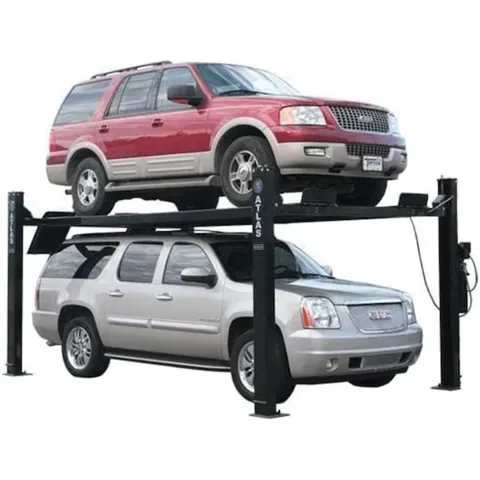
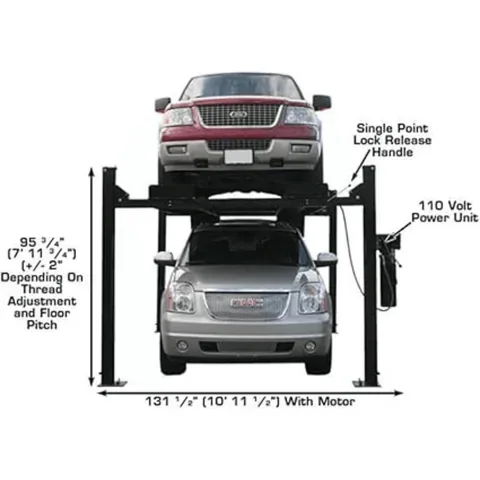
Two-post lifts give the best wheel and underbody access, four-post lifts suit storage and oil changes, and scissor or portable lifts (QuickJack, MaxJax) fit low garages where a full lift will not.
Questions & answers
Symmetric or asymmetric two-post lift?
Asymmetric columns set the vehicle further back so the doors open between the posts, which suits cars in a tight bay. Symmetric columns center the load and suit trucks and long vehicles.
Can I install a car lift myself?
Many owners do, with a helper and an engine hoist or forklift to stand the columns. You still need an electrician for the dedicated circuit, and you must follow the anchoring instructions in the manual exactly.
How is a car lift delivered?
Lifts ship by freight on a pallet, delivered curbside. The carrier calls to book the appointment, and you need a way to move a 1,000–2,000 lb crate into the garage.
Not sure which model fits? Ask our team and a real person will answer within one business day.